AI data center investment projected to hit $32 trillion by 2050 — infrastructure spending estimated to exceed capital requirements for railways, electrification, or the internet
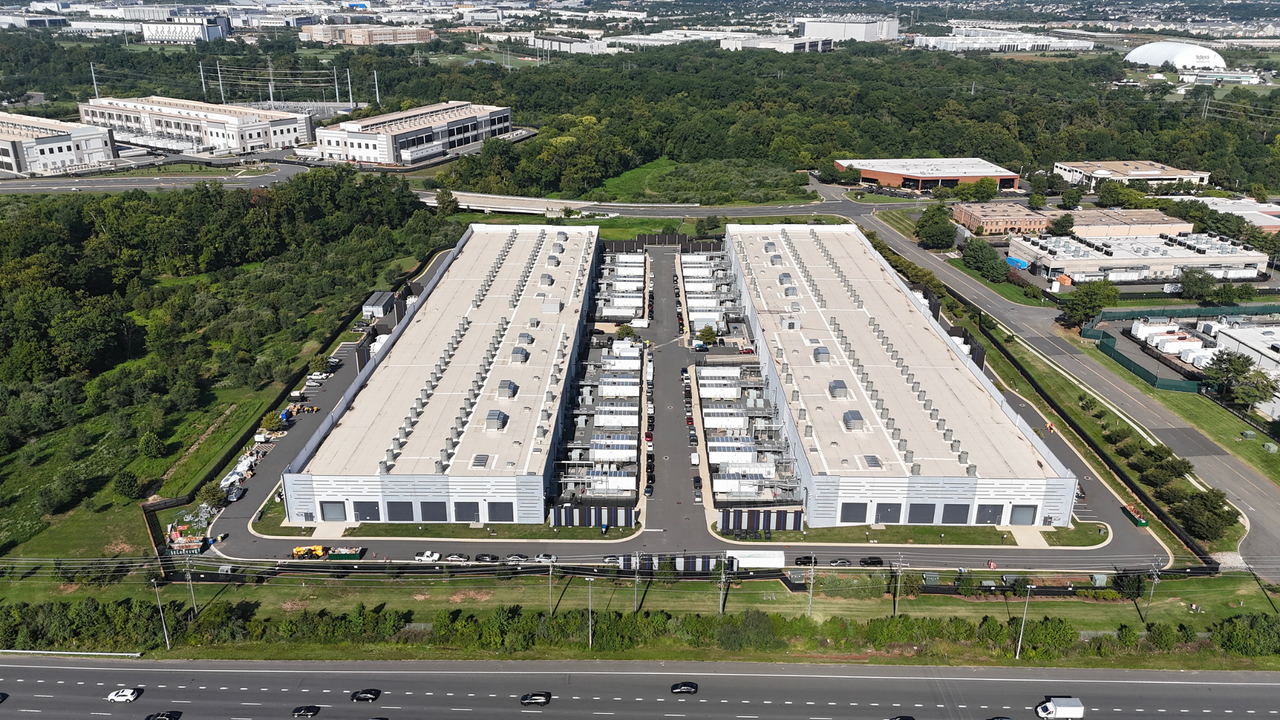
A PwC report cited by Bloomberg estimates AI data center capex could hit $31.6 trillion by 2050, with a $50 trillion optimistic case. It says GPU and related infrastructure will be refreshed every four to six years, and breaks down spending by region. Risks include power availability, data sovereignty, chip availability, and potential overcapacity. Nvidia and AMD are seen as major beneficiaries.
Related Hardware News
AI Curated(PR) Acer Introduces Veriton RI110 AI Mini Workstation for Powering Hybrid Agentic AI Workloads
Acer has introduced the Veriton RI110 AI Mini Workstation, a compact PC designed for AI workloads. It features an Intel Core Ultra X7 358H processor, Intel Arc B390 graphics, up to 96 GB LPDDR5X memory, and up to 4 TB PCIe Gen 4 SSD storage. The system supports up to 120 billion parameter AI models and runs Windows 11 Pro. This product announcement is a straightforward news piece for a new mini workstation.
(PR) Acer Showcases Design Powered by NVIDIA RTX Spark at IFA 2026
At IFA 2026, Acer showcased its SFF RTX Spark design, a compact desktop built around NVIDIA's RTX Spark superchip, combining a 20-core Grace CPU and 6,144-core Blackwell GPU with up to 128GB unified memory for local AI workloads.
Questionable PC power supply 'explodes,' bursts into flames the moment it's plugged into a socket in viral video — video captures moment repair shop worker avoids disaster
Tom's Hardware covers a viral CCTV clip from a Vietnam service center showing a VSP MEGA MAX VS750D PSU catching fire as soon as it is plugged in. The tester quickly unplugged it and was unharmed. The article speculates about possible internal causes and notes the unit's low-tier reputation.
Micron Explores Near-GPU NAND Flash to Run Bigger LLMs
TechPowerUp reports Micron is investigating 'near-GPU NAND' as a middle tier between GPU memory and system storage. It would trade density for higher I/O and endurance, potentially giving GPUs access to hundreds of gigabytes of NAND directly on the package or PCB, at lower cost than HBM/DRAM.