TSMC to start using High-NA EUV lithography in 2030 — A10 or A11 technology prime candidates for use
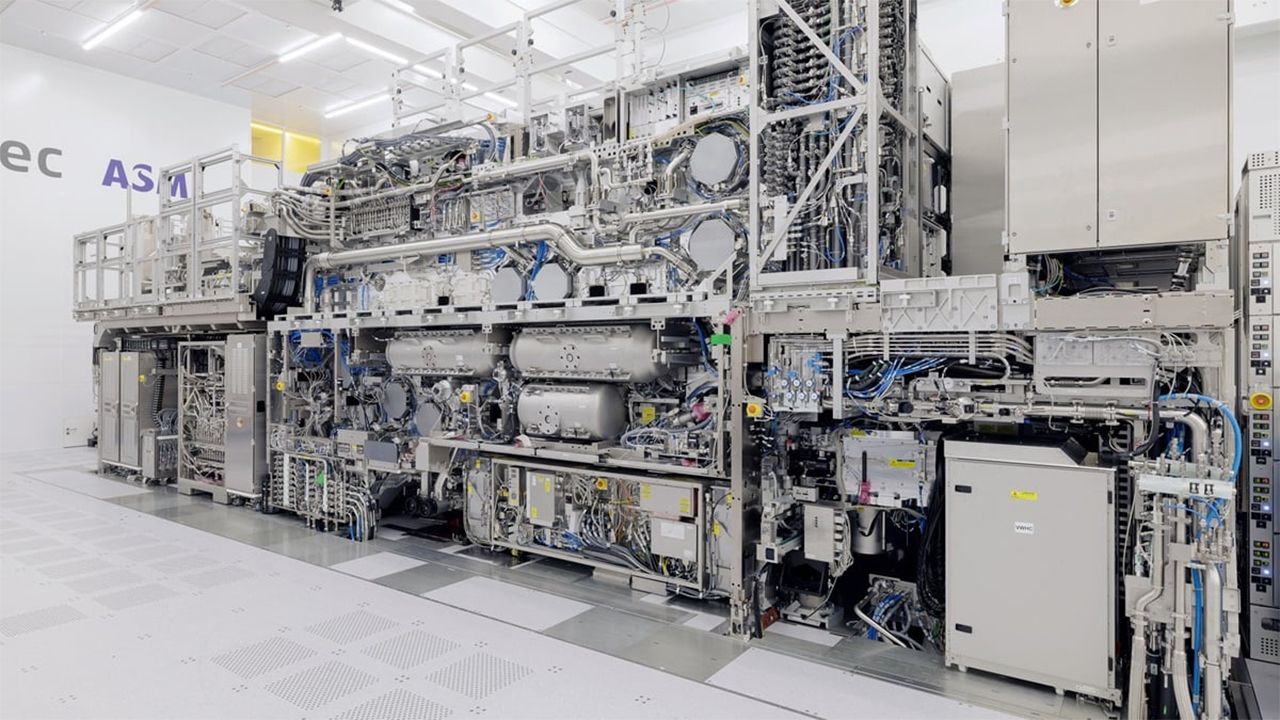
TSMC has confirmed plans to adopt High-NA EUV lithography starting in 2030, initially with conventional 6x6-inch photomasks and later moving to 6x12-inch masks via a pilot line in 2031. The company did not specify which node will first use the technology, but A10 or A11 are considered strong candidates, and TSMC is working with ASML on the industry-wide transition.
Related Tech News
AI Curated(PR) TSMC and ASML Announce Initiative to Pioneer Industry Transition to Large-Format Photomasks for High NA EUV
TSMC and ASML announced a joint initiative to lead the industry transition to larger-format (12-inch) photomasks for High NA EUV lithography. The move aims to increase fab productivity, lower chipmaking costs, and remove stitching constraints, enabling more cost-effective future chip generations.
Mindfactory Data Shows 30% Jump In GPU Sales As Buyers Panic-Buy Ahead Of Another Looming Price Hike
Sales data from German retailer Mindfactory reportedly shows a 29.5% month-over-month increase in GPU sales in August, driven by buyers panic-buying ahead of possible price hikes. The Radeon RX 9070 XT remains the most popular GPU despite high prices. The article also cites Jon Peddie Research data showing a 10.4% quarterly increase in GPU shipments.
Intel CPUs are reportedly getting a 10 percent price hike in October
According to Digitimes, Intel is planning a 10% price increase for its PC CPUs in October, following earlier increases this year. The move is part of a strategy to boost profitability rather than chase market share. The report also suggests Intel may cut another 5–10% of its workforce and potentially end its Small Core line for industrial PCs.
NEC has quietly quit quantum computing hardware development, report claims — company says it will continue to evaluate practical applications and industrialization of quantum technologies
According to Diamond Online, NEC quietly wound down its quantum computer hardware program in March 2026, with several researchers including a key leader moving to Fujitsu. NEC was a pioneer in superconducting qubits, but it appears to see commercial quantum hardware as too distant and capital-intensive. NEC says it will continue evaluating practical applications, industrialization, and proof-of-concept projects.